
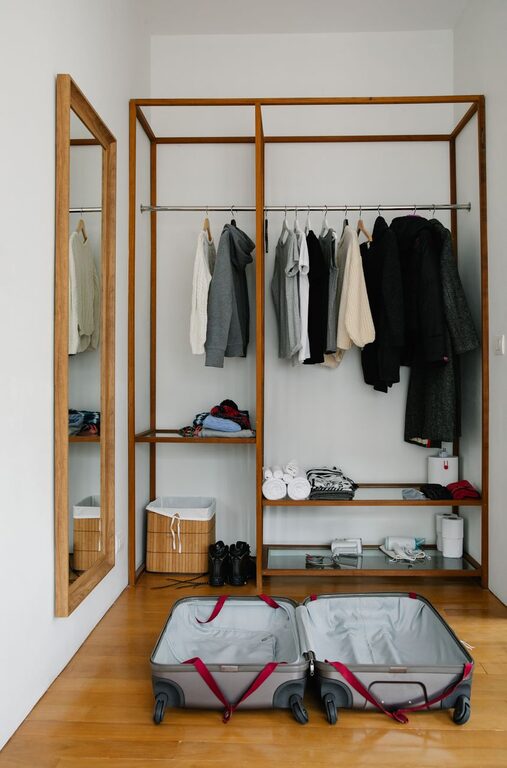
Storing seasonal clothes efficiently is essential to keep your wardrobe organized, protect your garments, and make it easy to switch outfits as the seasons change. Whether you’re putting away winter coats to welcome spring or tucking away summer dresses for the colder months, having a good system can save space and keep your clothes in great condition.
In this guide, we’ll walk you through smart strategies and practical tips to store your seasonal clothes efficiently.
Why Efficient Storage Matters
– Maximizes Space: Free up room in your closet and drawers by putting away off-season items properly.
– Protects Clothes: Avoid damage like wrinkles, fading, or mold by storing clothes in the right conditions.
– Simplifies Seasonal Switch: Quickly find what you need without digging through piles of clothing.
Step 1: Sort and Prepare Your Clothes
Before storing anything, take time to sort through your seasonal clothes.
Declutter
– Donate or sell items you no longer wear.
– Repair any damaged clothing, like missing buttons or loose threads.
– Wash all clothes to remove dirt, sweat, or stains which can attract pests.
Organize by Category
Group clothes by type for easy access later. For example:
– Sweaters, coats, and scarves
– Dresses and skirts
– Shoes and accessories
Step 2: Choose the Right Storage Containers
The containers you use are key to effective storage.
Types of Storage Containers
– Clear Plastic Bins: Stackable and see-through for easy identification.
– Vacuum-Sealed Bags: Great for bulky items like down jackets; they save a lot of space.
– Fabric Storage Bags: Breathable and protect delicate fabrics.
– Under-Bed Storage Boxes: Utilize otherwise unused space.
Tips for Choosing Containers
– Pick containers that fit the size and quantity of your clothes.
– Avoid airtight containers for natural fibers like wool to prevent moisture buildup.
– Label each container with contents or use photos to easily recognize what’s inside.
Step 3: Use Proper Folding and Packing Techniques
How you fold and pack clothes impacts the amount of space you use and how well garments hold up.
Folding Tips
– Fold sweaters and knitwear flat to avoid stretching.
– Roll t-shirts and casual tops to minimize wrinkles and save space.
– Fold pants and jeans neatly, stacking heavier items at the bottom.
Packing Tips
– Place heavier items at the bottom of storage bins.
– Use acid-free tissue paper between delicate garments to prevent creasing.
– Add lavender sachets or cedar blocks to deter moths and keep clothes smelling fresh.
Step 4: Find the Best Storage Location
Where you store your clothes affects their condition.
– Cool, Dry, and Dark Areas: Avoid basements or attics if they are prone to humidity or temperature swings.
– Closet Tops or Shelves: Use high shelves for off-season bins.
– Under the Bed: Perfect for flat storage boxes in a climate-controlled room.
Step 5: Maintain Your Seasonal Storage
Efficient storage isn’t just about packing; it also involves regular upkeep.
– Check stored clothes every few months for signs of moisture, pests, or damage.
– Replace or refresh any moth repellents.
– Rotate clothes seasonally by swapping containers—bring out what you need and store the rest.
Bonus Tips for Specific Items
Shoes
– Clean and dry shoes completely before storing.
– Use shoe boxes or clear plastic bins.
– Insert shoe trees or stuff with tissue paper to maintain shape.
Accessories
– Store scarves, hats, and gloves in labeled boxes or hanging organizers.
– Use small containers or pouches for jewelry.
Conclusion
Storing seasonal clothes efficiently doesn’t have to be overwhelming. By sorting carefully, choosing the right containers, folding properly, selecting an ideal storage spot, and maintaining your setup, you can protect your wardrobe and keep your home organized. When the seasons change, you’ll enjoy an easier, quicker transition with garments that look and smell fresh.
Give these tips a try and create a seasonal storage system that works for your lifestyle!