
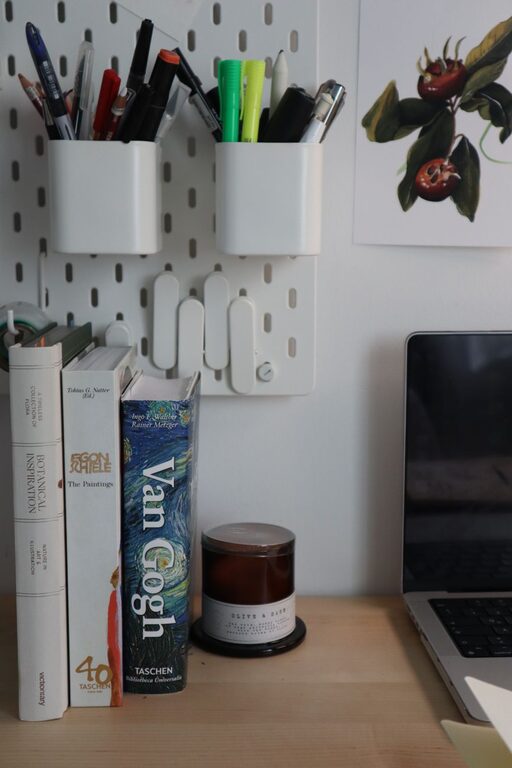
Paper clutter is a common challenge in many households. Bills, receipts, mail, kids’ artwork, and various documents can quickly pile up, creating a mess that feels overwhelming. Fortunately, reducing paper clutter doesn’t have to be stressful or complicated. With some simple strategies, you can regain control of your space and enjoy a tidier, more organized home.
In this post, we’ll explore practical and straightforward ways to reduce paper clutter, helping you stay organized and focused.
Why Reducing Paper Clutter Matters
Before diving in, it’s helpful to understand why managing paper clutter is important:
– Reduces stress: A clutter-free space promotes calm and focus.
– Saves time: Finding important papers becomes easier and faster.
– Increases productivity: Less clutter means fewer distractions.
– Protects important documents: Organized storage keeps papers safe from damage or loss.
Now, let’s look at actionable tips to reduce paper clutter.
1. Declutter Regularly
One of the simplest ways to manage paper clutter is by setting aside time to sort through your papers regularly.
How to get started:
– Schedule a weekly or bi-weekly 15-30 minute session.
– Sort papers into categories: keep, shred, recycle.
– Immediately get rid of junk mail and unnecessary flyers.
Consistency is key. Making decluttering a habit prevents paper from piling up.
2. Go Digital Whenever Possible
Many documents can be stored electronically, reducing the need for physical copies.
Tips for going paperless:
– Sign up for e-statements: Most banks, utilities, and service providers offer paperless billing.
– Use scanning apps: Apps like Adobe Scan, CamScanner, or your phone’s built-in scanner can digitize receipts, bills, and notes.
– Organize digital files: Create folders on your computer or cloud storage with clear names and dates.
– Backup regularly: Use cloud services or external drives to keep digital files safe.
Going digital not only reduces clutter but also makes accessing documents easier.
3. Create a Simple Filing System
If you need to keep certain papers, organize them with a clear filing system.
Tips for an effective filing system:
– Use labeled folders or binders.
– Categorize files, such as “Bills,” “Medical Records,” “Taxes,” “School Papers,” and “Receipts.”
– Store frequently used files in an easy-to-reach spot.
– Consider color-coding folders for quick identification.
A neat filing system saves time and frustration when you need to find documents.
4. Limit Incoming Paper
Prevent clutter by controlling the amount of paper coming into your home.
How to reduce incoming paper:
– Opt out of junk mail through services like the Direct Marketing Association’s Mail Preference Service.
– Unsubscribe from catalogs and promotional mail you no longer want.
– Use online services for statements, magazine subscriptions, and newsletters.
– Ask schools and organizations to send updates via email.
The less paper that enters your home, the less you have to manage.
5. Use a Dedicated Mail Station
Designate a specific spot in your home for handling incoming mail and bills.
How to set up a mail station:
– Place a tray or box for new mail.
– Add folders or compartments for “To Pay,” “To File,” and “To Review.”
– Keep a shredder nearby for junk mail or sensitive documents.
– Make it a habit to sort mail as soon as you bring it inside.
A centralized mail station keeps paper organized and stops it from spreading around your home.
6. Keep Only What’s Necessary
Not all papers are worth keeping. Be selective about what you store.
What to keep and what to toss:
– Keep: Important legal documents, recent tax records, warranties, and anything required for insurance or medical purposes.
– Toss: Expired coupons, old receipts (unless for tax or warranty), outdated flyers, and documents past their useful life.
If unsure, scan the document digitizing it for record-keeping and discard the physical copy.
7. Make Use of Everyday Tools
Simple tools can make a big difference in organizing paper.
Recommended tools:
– Binders and sheet protectors: Great for kids’ artwork or important papers.
– Desk organizers: Keep bills, letters, and receipts tidy.
– Shredder: Protect sensitive information and reduce paper volume.
– Sticky notes or labels: Mark files or folders for easier access.
Having these tools on hand encourages regular organization.
8. Manage Children’s Papers Effectively
Kids generate lots of paper with artwork, school projects, and homework.
Ideas for managing children’s paper:
– Display favorite artwork on a bulletin board or fridge for a limited time.
– Take photos of artwork and store digitally to save space.
– Create a keepsake binder or box for important memories.
– Regularly review and recycle older projects.
This approach respects your child’s creativity while limiting clutter.
9. Practice Paper Minimalism
Adopting a minimalist mindset about paper can lead to lasting change.
What paper minimalism means:
– Only keep papers that truly add value.
– Stay mindful about what you bring into your home.
– Regularly review and reduce your paper collection.
Over time, this mindset helps maintain a clutter-free environment.
Final Thoughts
Reducing household paper clutter is achievable with consistent habits and simple strategies. By decluttering regularly, embracing digital alternatives, organizing effectively, and minimizing incoming paper, you can enjoy a calmer, more organized home.
Start small, try one or two tips this week, and build from there. Your future self will thank you for a clutter-free space and a clearer mind!